

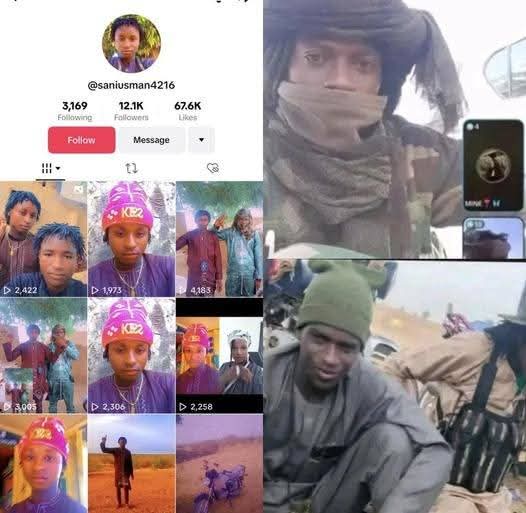
“I Spent Over ₦50 Million on TikTok Today” — Suspected Bandit Sparks Outrage After Claiming Ransom Money Was Used for Massive Giveaway
A suspected bandit has triggered widespread outrage on social media after allegedly boasting during a TikTok livestream that he spent more than ₦50 million on giveaways, claiming the money came from ransom payments collected from kidnapping victims.
According to reports circulating online, the individual, who has been described by some viewers as a “celebrity bandit” due to his growing online following, openly mocked members of the public who regularly condemn kidnapping and banditry but still participated in his giveaway activities.
During the livestream, the suspect reportedly said:
*”You people always wish us bad, curse us and pray that the military will arrest us. Yet you are interested in our money. You all know that ransom is how we make our money, and you always condemn our actions. But now that it is giveaway time, you are sending your account numbers.”*
The statement has sparked intense debate across social media platforms, with many Nigerians expressing shock that individuals would allegedly participate in or benefit from giveaways linked to money suspected to have been obtained through criminal activities.
Kidnapping for ransom remains one of Nigeria’s most pressing security challenges, with thousands of families across different states having suffered the trauma of abductions, extortion demands, and, in many cases, the loss of loved ones.
Critics argue that the incident highlights the disturbing influence some criminal figures have gained online, where notoriety can sometimes be transformed into popularity and financial influence.
Security analysts have repeatedly warned that social media platforms can become tools for criminal propaganda, allowing suspects to project power, attract followers, and normalize activities that have devastated communities across the country.
The claims made during the livestream have not been independently verified by authorities, and no official statement has yet been released regarding the alleged giveaway or the source of the funds. However, the controversy has reignited conversations about the social acceptance of wealth without scrutiny and the dangers of glorifying individuals linked to violent crimes.
For many Nigerians, the bigger question remains: if the public condemns kidnapping and banditry, should money allegedly connected to those crimes ever be celebrated or accepted?
As the debate continues, the incident serves as a stark reminder of the complex relationship between social media influence, crime, and public perception in the digital age.