
FG Spends Over ₦1 Trillion On Cancer Control In One Year — Budget Minister Bagudu
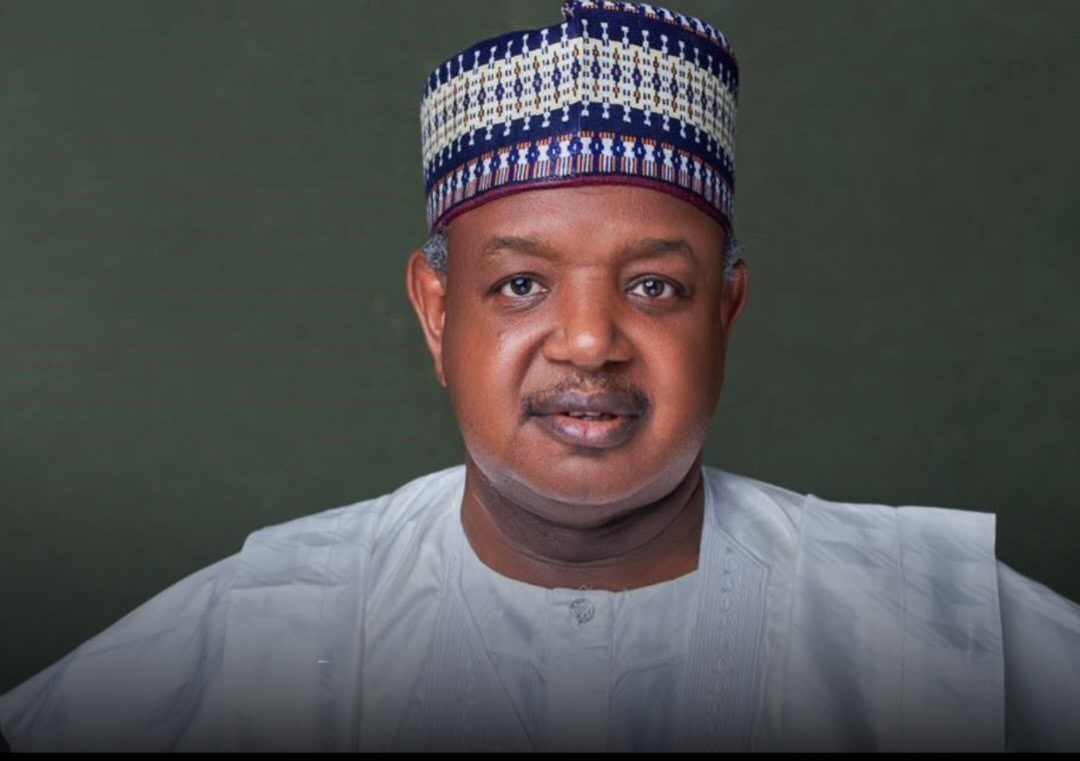
The Minister of Budget and Economic Planning, Abubakar Atiku Bagudu, has disclosed that the Federal Government spent over ₦1 trillion on cancer control in the last one year.
Bagudu made this known during a 5.4-kilometre cancer awareness walk in Abuja themed, “One Walk, One Fight – Walk Away Cancer.”
He said ₦350 billion was invested in establishing cancer centres nationwide, while over ₦300 billion was committed to cancer detection equipment, alongside other health sector allocations. He added that additional funds had been made available to state and local governments for cancer prevention, early detection and treatment, stressing the need for accountability.
“I want to commend the Union for International Cancer Control (UICC), under the leadership of its president, Dr Zainab Shinkafi Bagudu, for its relentless and longstanding cancer awareness and sensitisation campaign.
“Cancer control remains one of the priority areas of President Bola Tinubu’s Renewed Hope Agenda in the health sector,” he said.
The Minister of State for the FCT, Dr Maria Mahmoud, urged Nigerians, particularly women and girls, to undergo regular screening.
“We really appreciate and commend this sensitisation initiative for Nigerians. With this kind of massive turnout, the high prevalence of cervical cancer will go down,” she said.
The Minister of State for Education, Professor Suwaiba Ahmed, said nobody should fight cancer alone.
“To all cancer patients and survivors, we see your fight and honour your courage. We shall continue to stand with you in solidarity,” she said.
Meanwhile, the President of the Cancer Society of Nigeria, Professor Abidemi Omonisi, called for support for cancer patients and survivors, noting that treatment remains expensive.
UICC President, Dr Zainab Shinkafi Bagudu, said the organisation had been fighting cancer alongside stakeholders for over 12 years and called for increased financial allocation to cancer control.
Cancer survivor Farooq Oreagba, who said he was diagnosed with an incurable form of cancer over 12 years ago, attributed his survival to early detection.