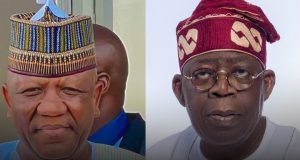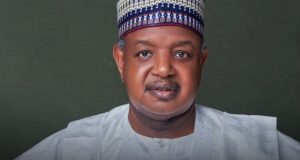


2027: Nigerians Are Worried About Survival, Not Igbo Presidency In 60 Years – Barrister Agubuzu Replies deputy speaker of the house of rep. Kalu
A chieftain of the Nigeria Democratic Congress (NDC), Barrister Peter Agubuzu, has described as “misplaced” the Deputy Speaker of the House of Representatives, Benjamin Kalu’s remark that the Igbo cannot wait 60 years to become President for just four years.
Kalu made the remark while criticising South-East stakeholders advocating a single four-year presidential term for the region, reportedly referring to NDC presidential candidate Peter Obi’s promise to serve only one term if elected.
Speaking at an APC women’s rally in Enugu on Saturday, Kalu said: “Let me say this: some people are going around telling us that they have made an agreement that Igbos will go for the Presidency for four years, as the presidential candidate of the Nigeria Democratic Congress, NDC, Peter Obi, had said he would serve as Nigeria’s President for only four years if he is elected.”
Reacting on Sunday, Agubuzu challenged Kalu to focus on Nigerians’ economic hardship rather than the debate over a 60-year wait for an Igbo President.
He said: “While Nigerians across the country are chanting ‘Tinubu Must Go’ because of the economic hardship they are experiencing and their fear of a worsening economic crisis if Tinubu is re-elected, our brother, the Deputy Speaker is talking about 60 years.
“He forgot that Obi’s primary objective is to transform Nigeria from consumption to production to lift millions out of poverty. This why Nigerians are chanting Tinubu Must Go.”
Agubuzu added: “What Nigerians are saying is straightforward: Peter Obi should come and salvage the country from the impending economic disaster they fear will follow if President Tinubu is re-elected. Nigerians are worried about their survival, their livelihoods and the future of their children. That is the urgent issue before us—not a speculative debate about waiting 60 years for an Igbo President.”
He argued that the single-term debate should be considered in the context of zoning, national unity, equity and political inclusion.